A darkroom for your camera roll.
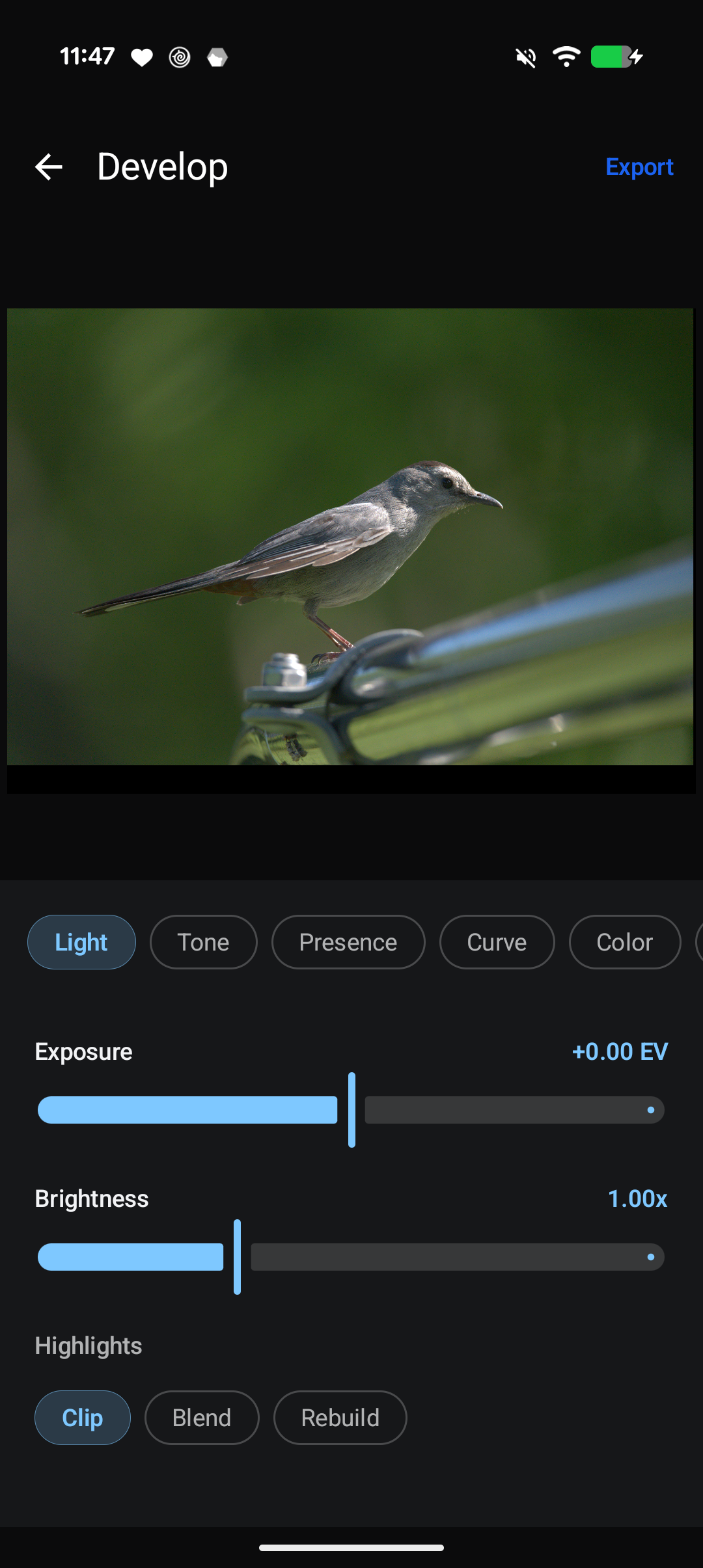
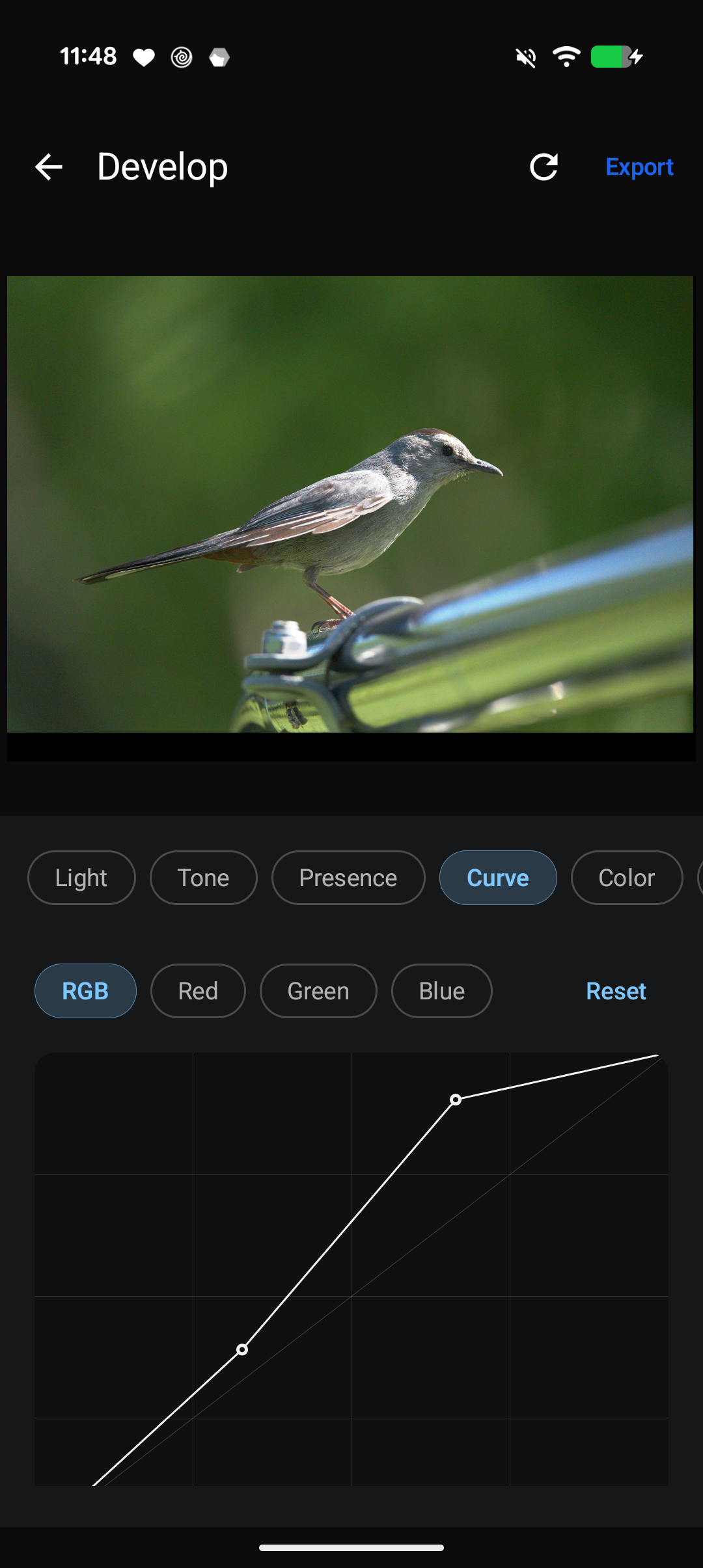
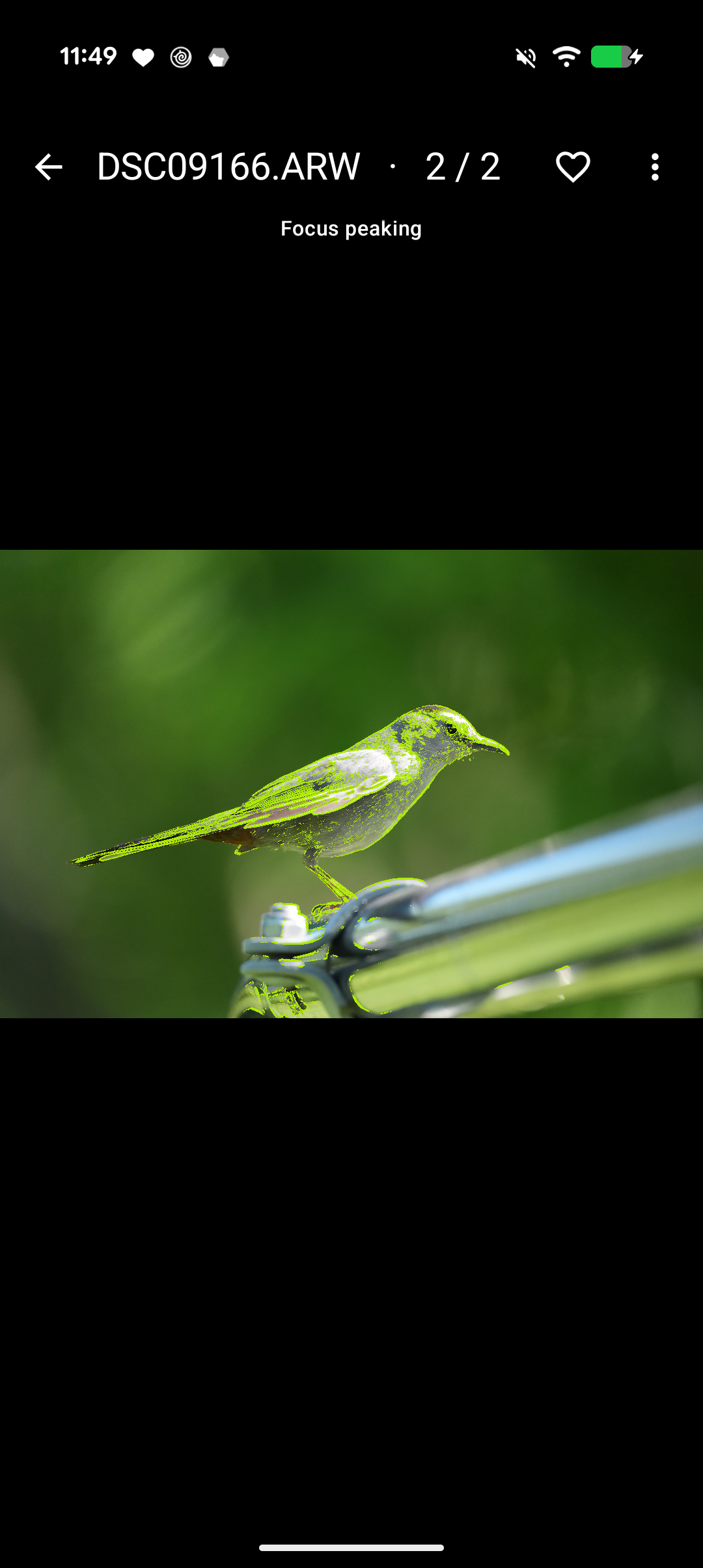
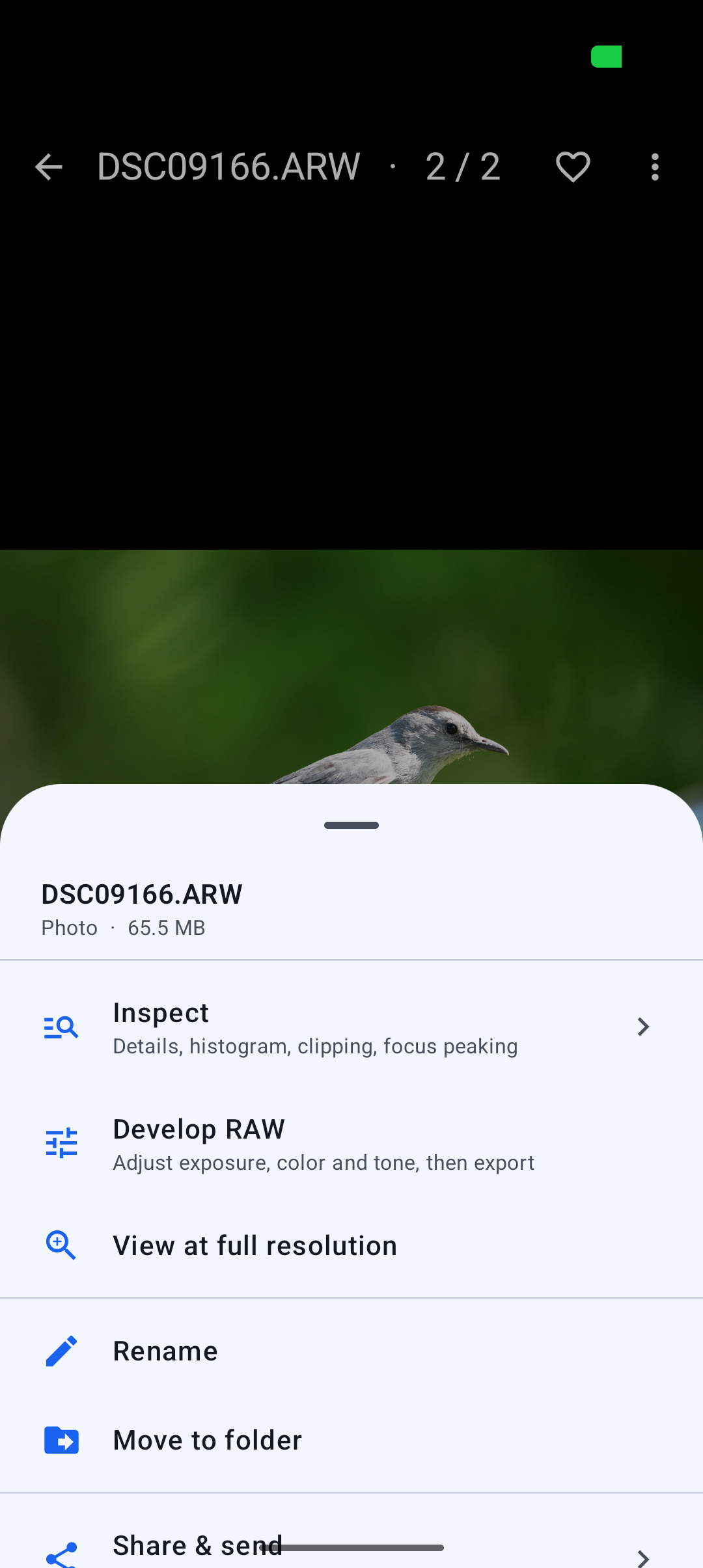
A day-grouped gallery that reads JPEGs, videos and camera RAW alike - then develops them. Open a Sony .ARW and edit it from the actual sensor data through a native LibRaw pipeline: exposure, a Lightroom-style tone curve, HSL, presence, effects and grain - exported as JPEG, 16-bit TIFF, or an archival DNG. Pull shots straight off the camera over Wi-Fi or USB.
A real file manager - then it keeps going.
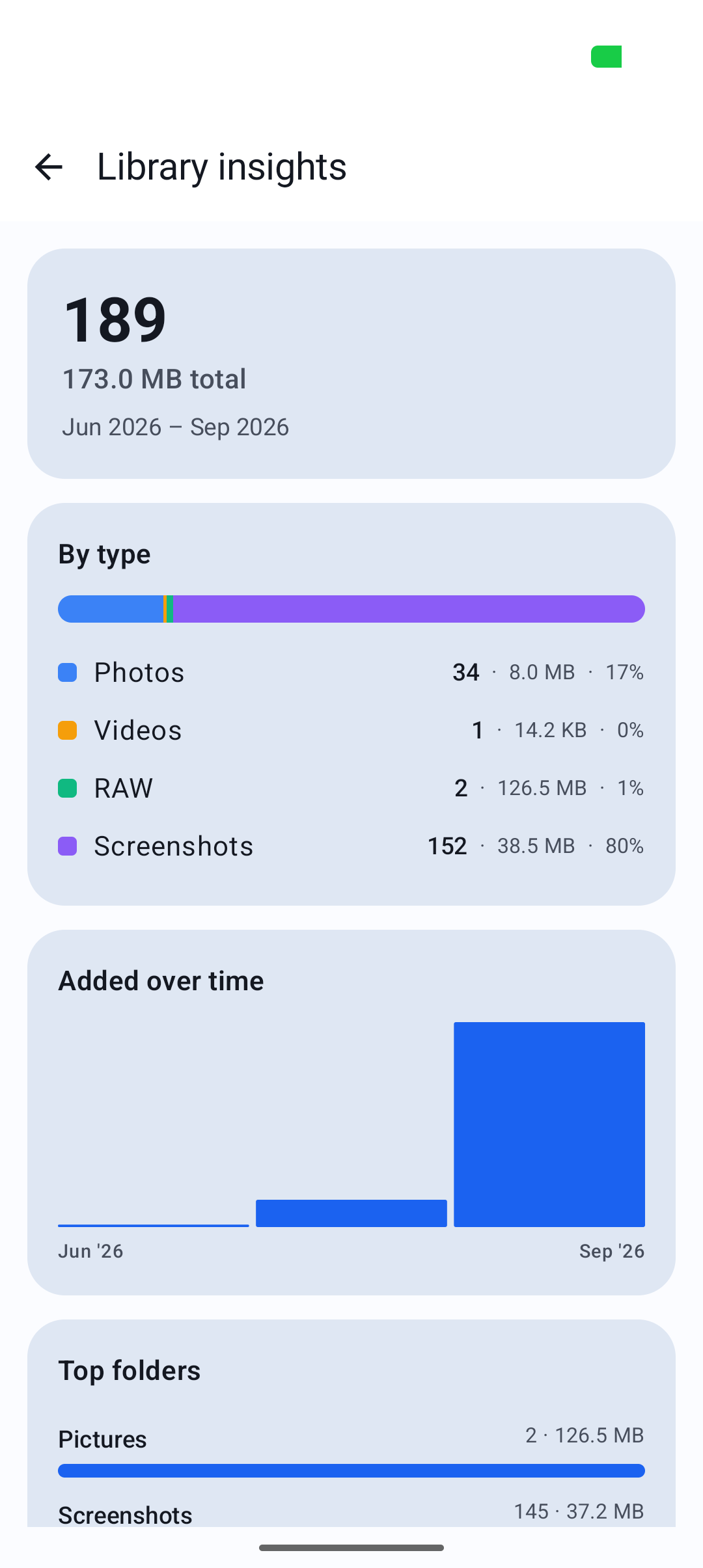
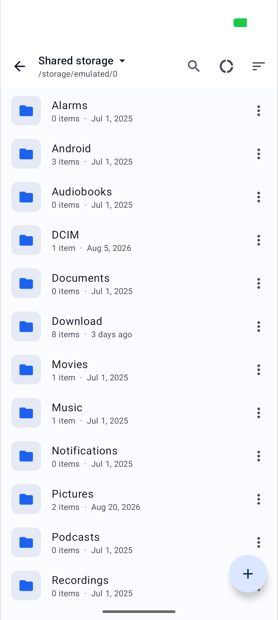
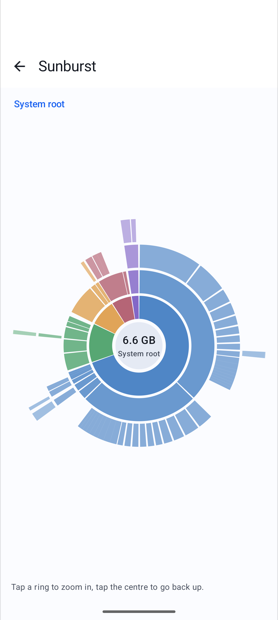
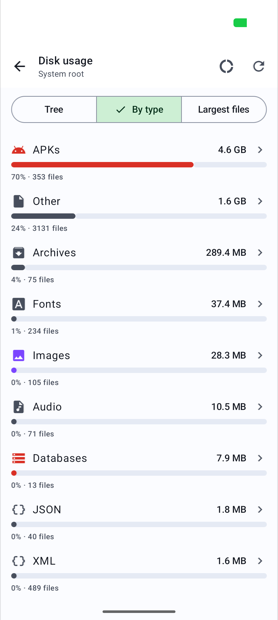
Every volume and corner of storage, browsable like a desktop. Search by name, content or regex; sort, multi-select, copy / move / delete / share; a details sheet with on-demand SHA-256. Then see where the space actually goes.
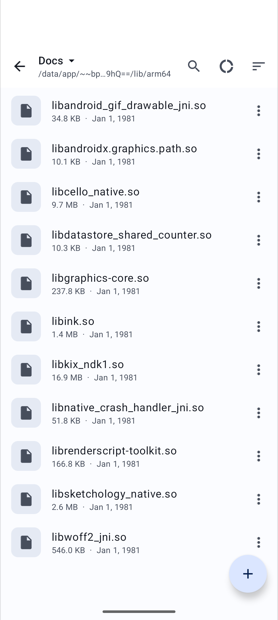
lib/arm64 inside an app.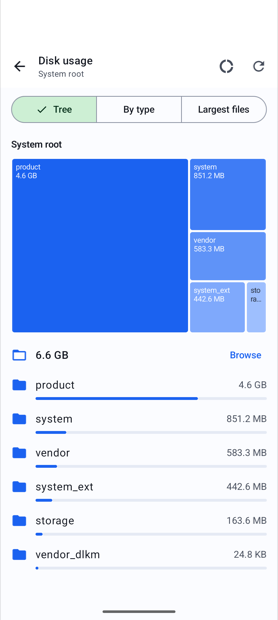
Fourteen viewers. No file is opaque.
Tap a file and Storage Studio picks the right lens - decode it, don't just open it. A binary inspector, APK teardown, dex decompiler, native-library inspection, live font specimens, EXIF, and more.
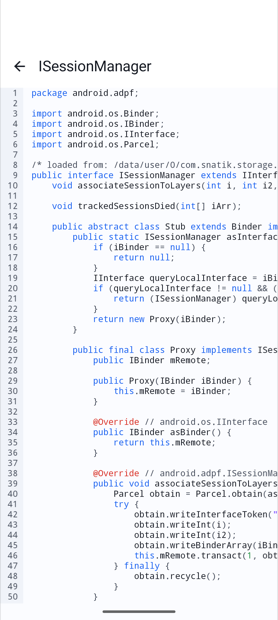
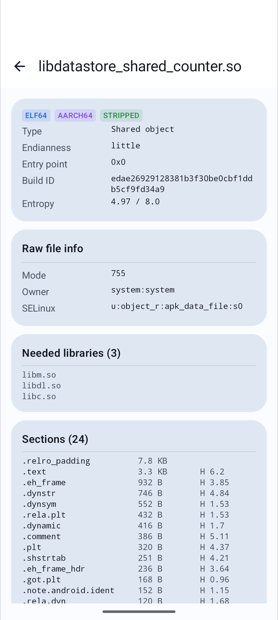
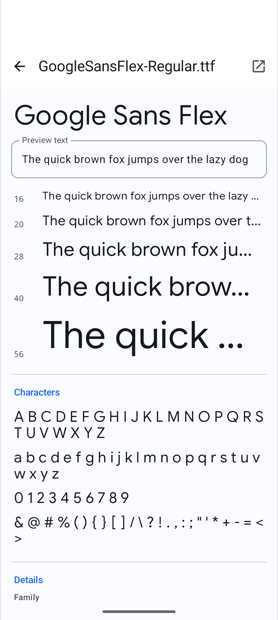
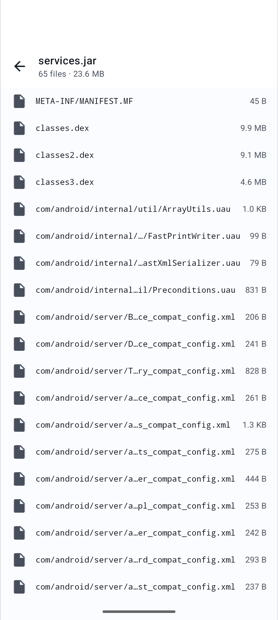
Take any app apart.
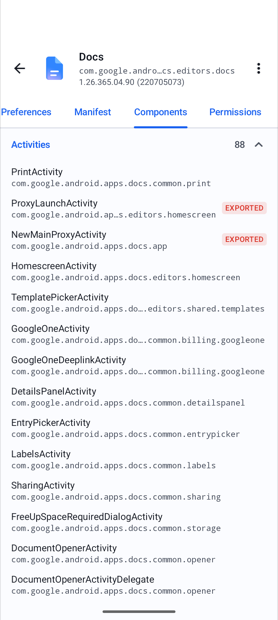
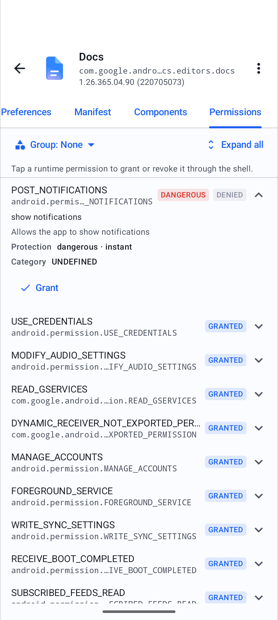
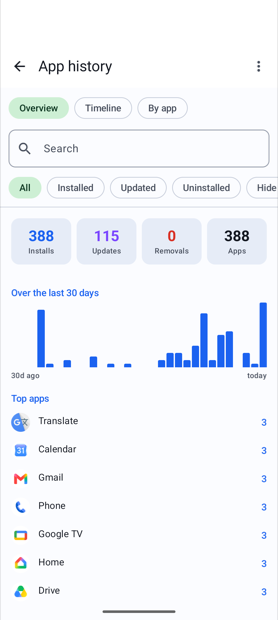
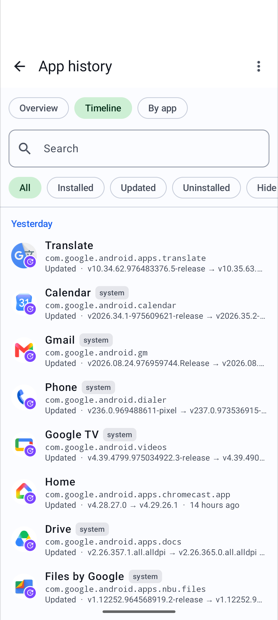
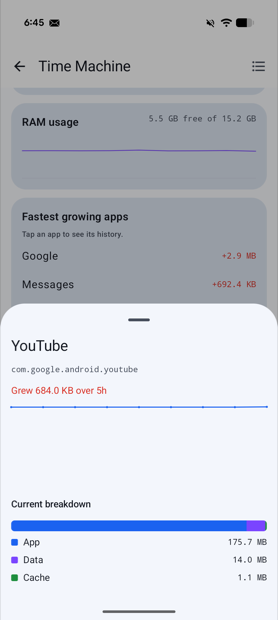
Per-app storage, a six-tab inspector, decoded manifests, component maps, signatures, ART recompilation, and a full install / update / uninstall history - captured even for changes that happened while the app wasn't running.
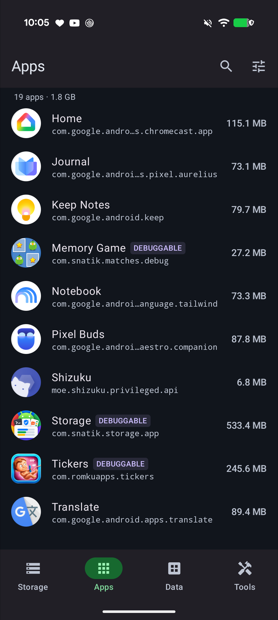
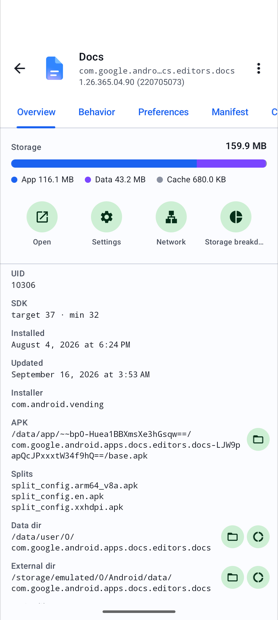
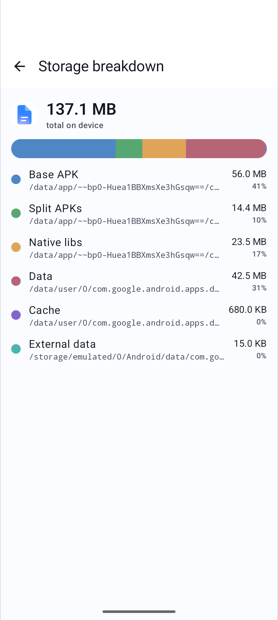
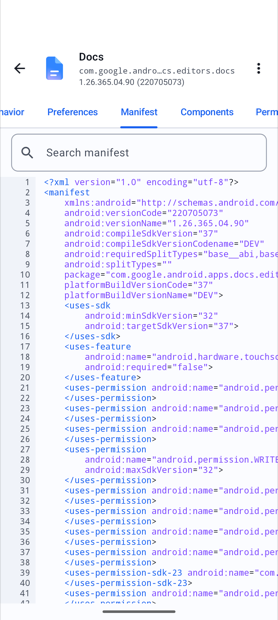
AndroidManifest.xml, searchable.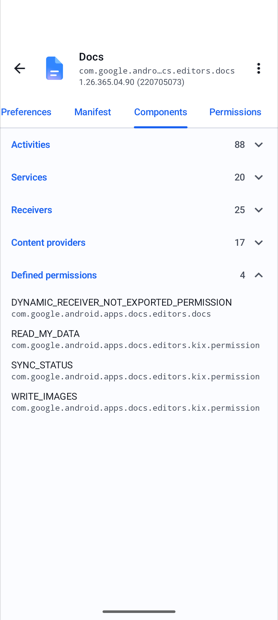
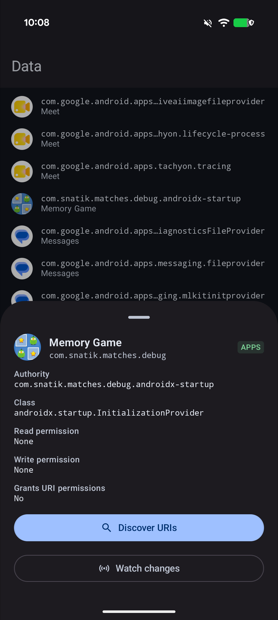
Read the device's data directly.
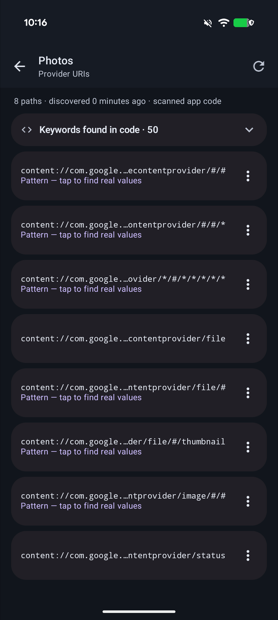
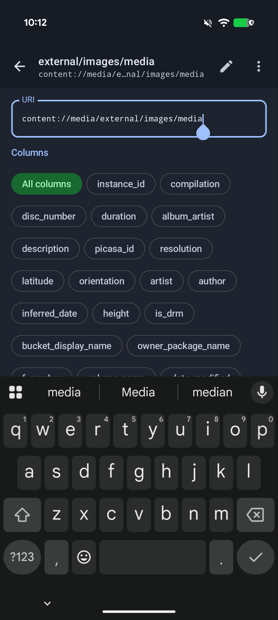
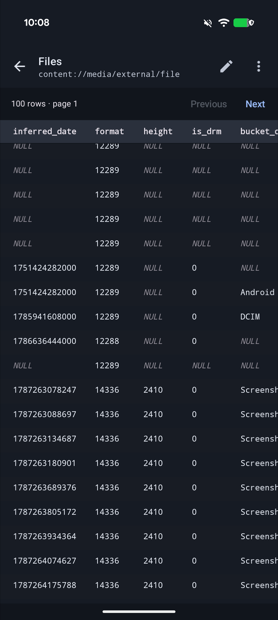
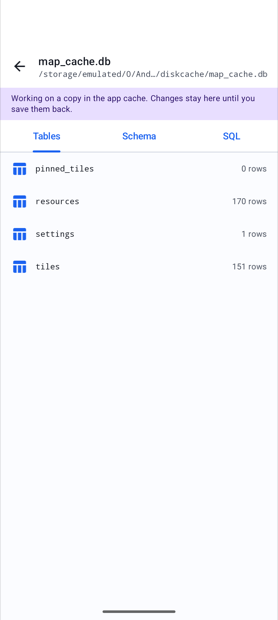
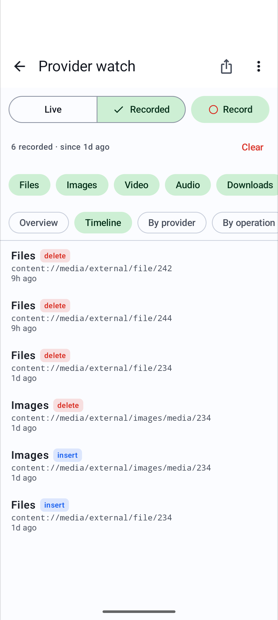
Every content provider as a queryable table, URIs discovered by decompiling the provider's own addURI calls, a visual query builder with CSV/JSON export, a full SQLite browser, and a typed shared-preferences editor.
Drive the system's messaging.
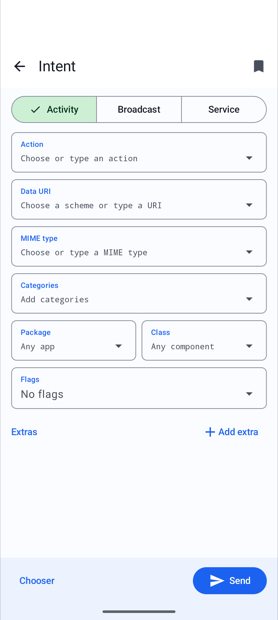
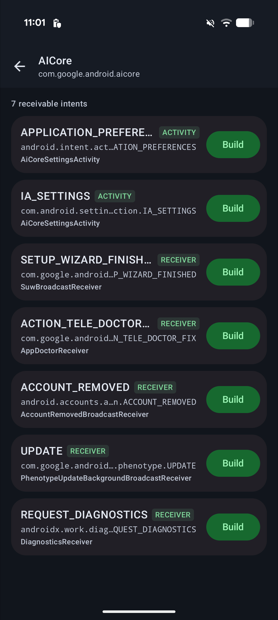
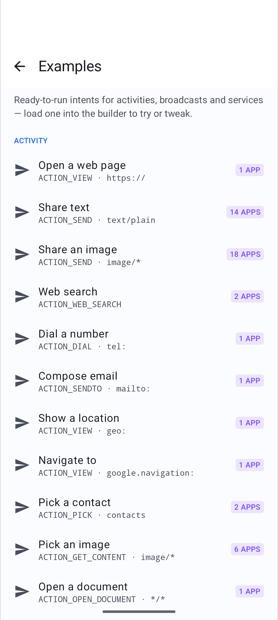
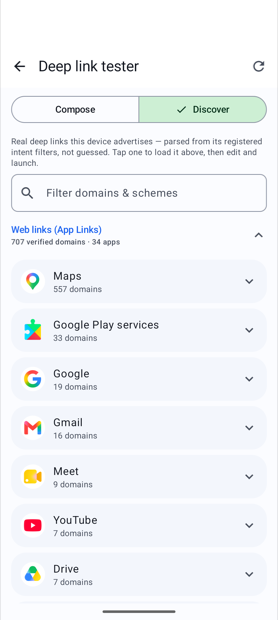
Compose and fire any intent, discover what apps can receive, run curated examples, watch activity intents and broadcasts live across the whole device, and mine real deep links from installed apps.
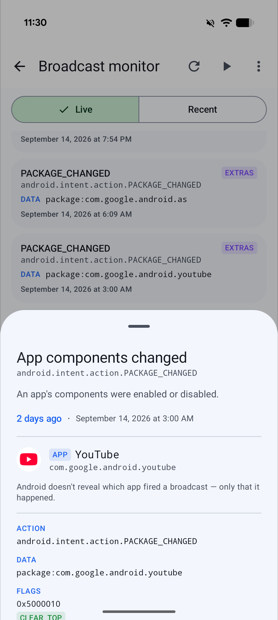
Watch the device breathe.
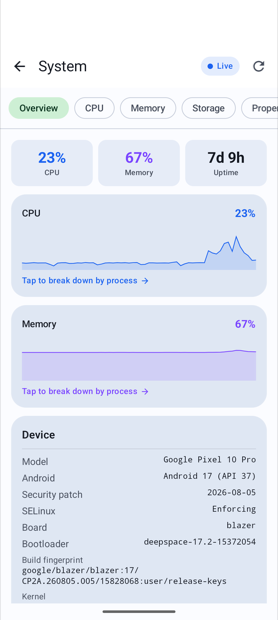
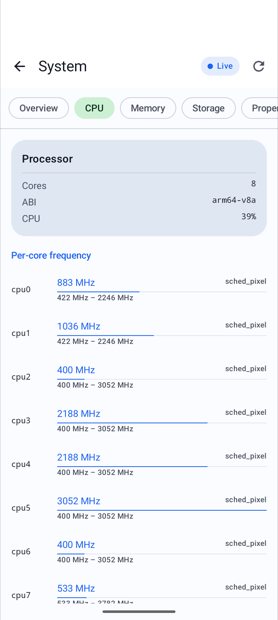
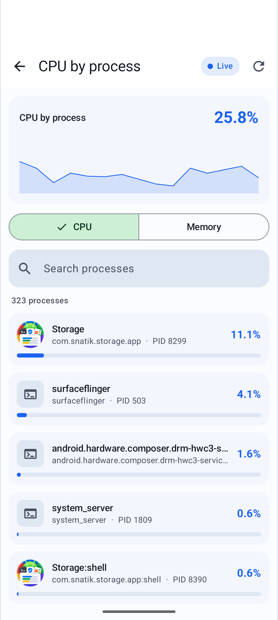
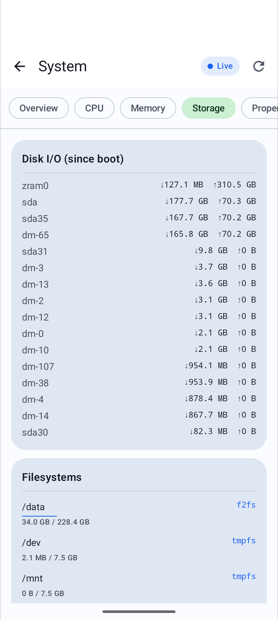
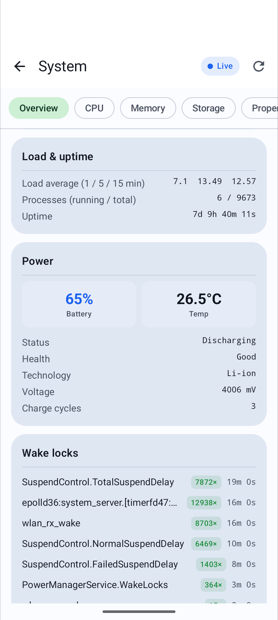
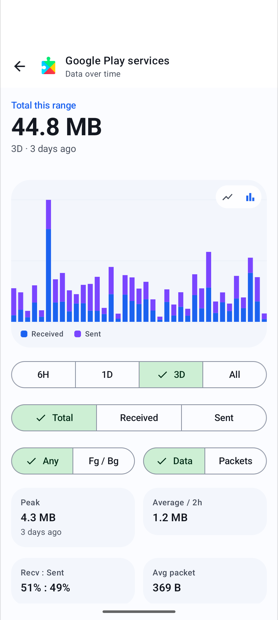
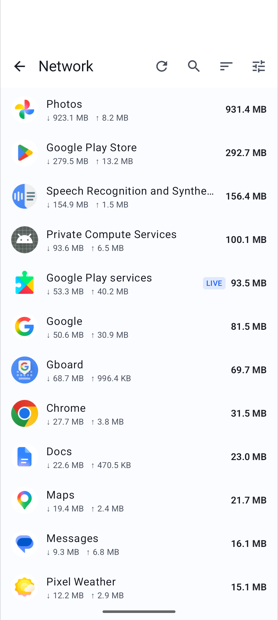
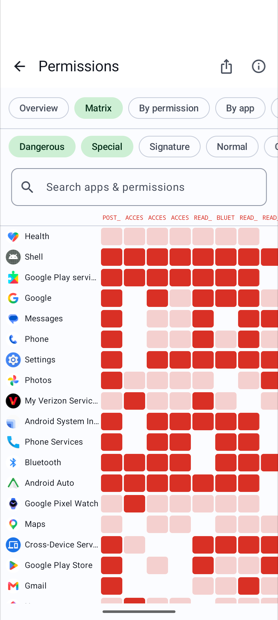
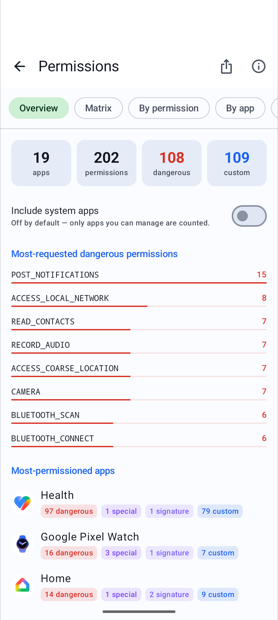
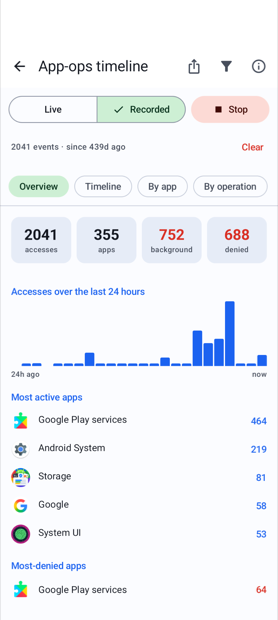
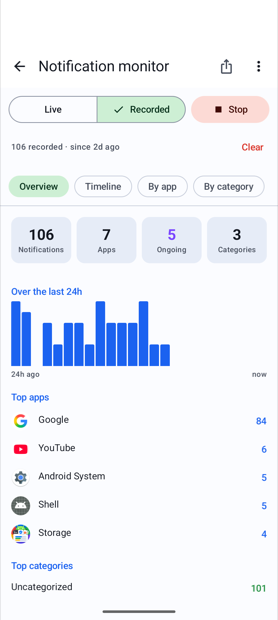
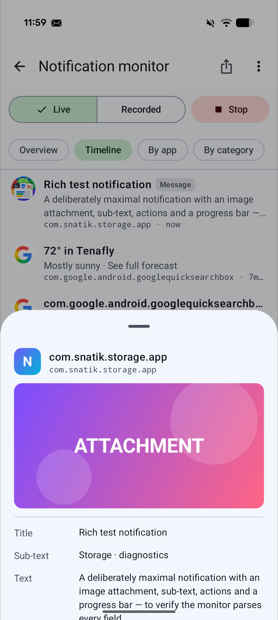
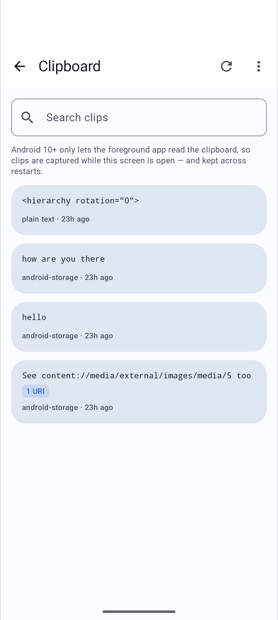
A live system inspector, per-process CPU & memory, per-app network with scrubbable graphs, a permission matrix, a sensitive-access timeline, and background monitors for notifications, provider changes and the clipboard - recorded to SQLite and optionally streamed off-device.
Find waste. Forecast the future. Diff the past.
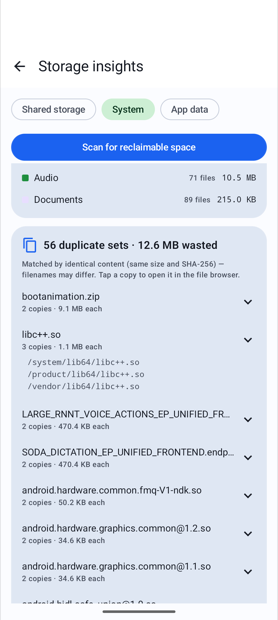
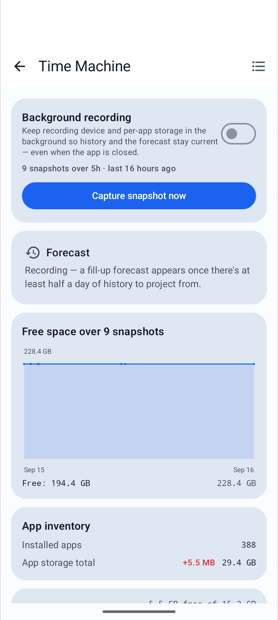
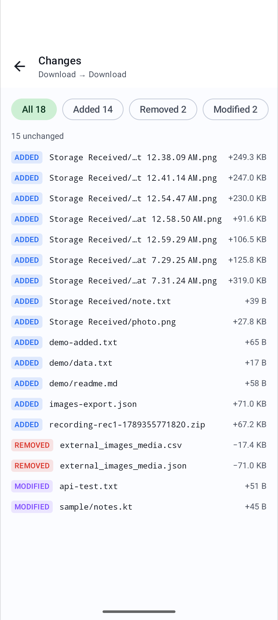
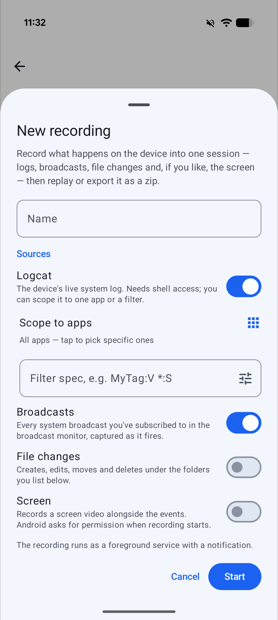
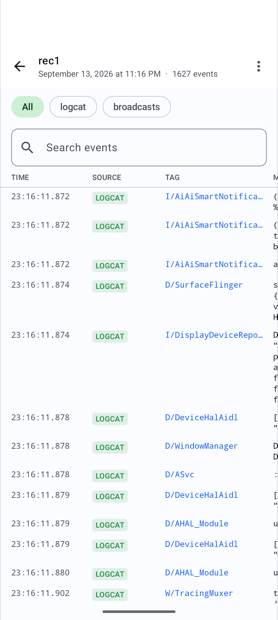
Storage insights surface duplicates, empty and zero-byte files, and ghost data left by uninstalled apps. Time Machine records storage over time and forecasts when it fills. Snapshot a folder and diff it later, or record logcat, broadcasts, file changes and the screen to a zip.
Hand the whole device to an agent.
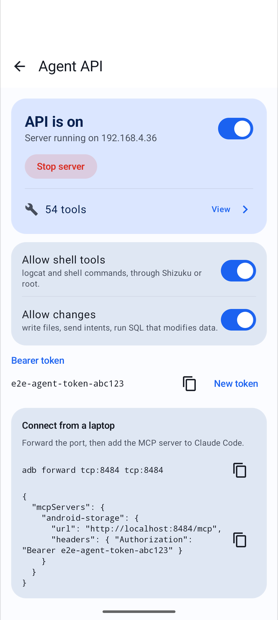
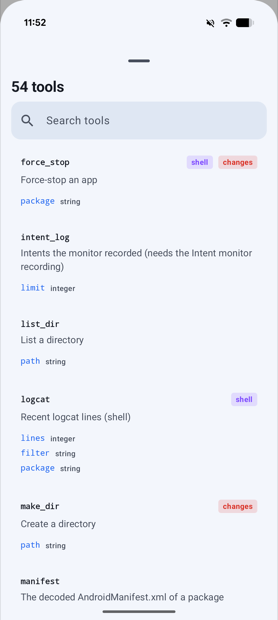
The same engine behind every screen is exposed as a local server - 54 operations over REST (/api/v1/{op}) and Model Context Protocol (/mcp). Behind a bearer token and two safety gates, both off by default, with an audit log. Plus a Tools hub, command palette, and cable-free file transfer.
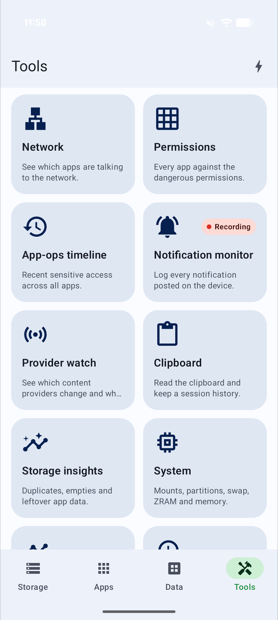
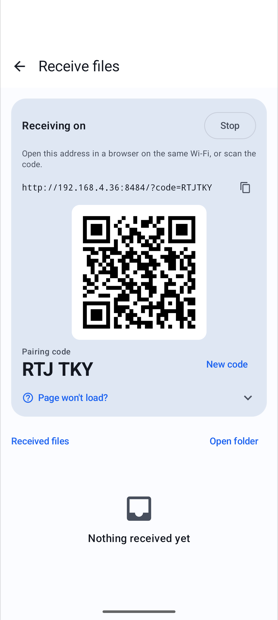
A web console for your laptop.
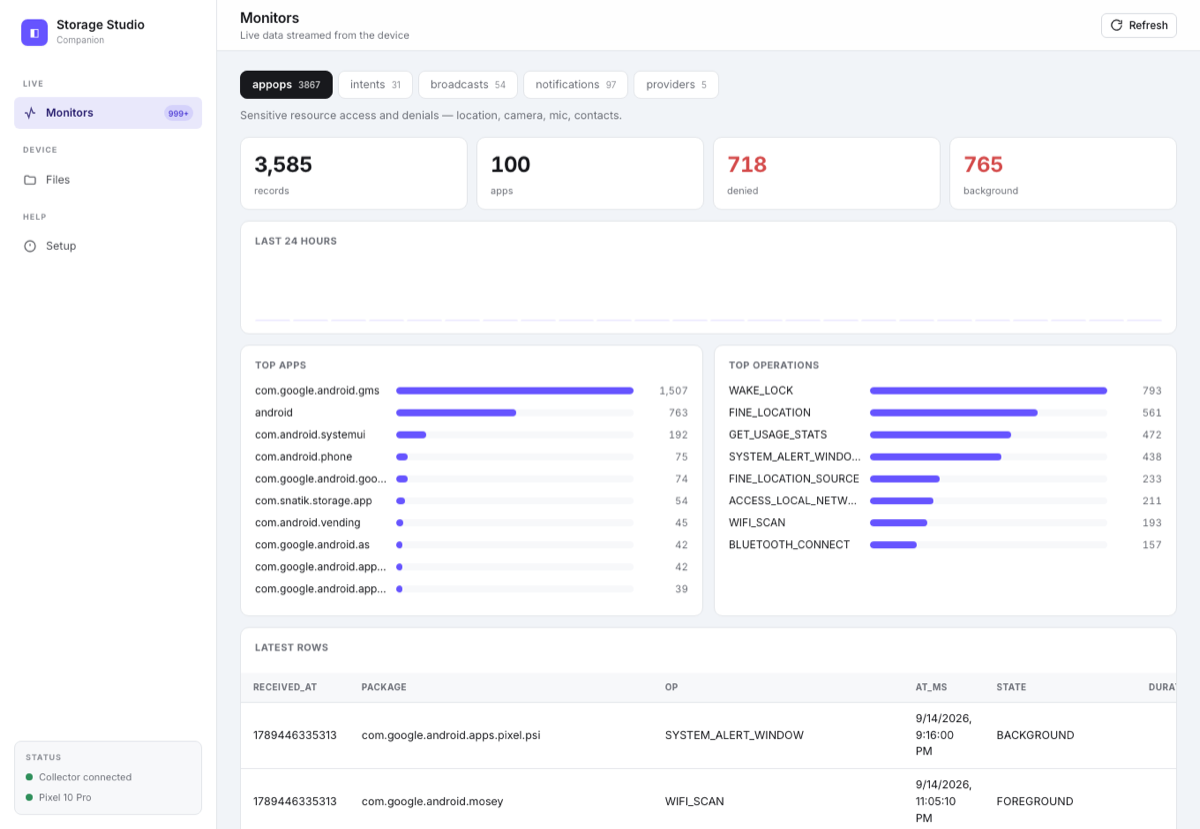
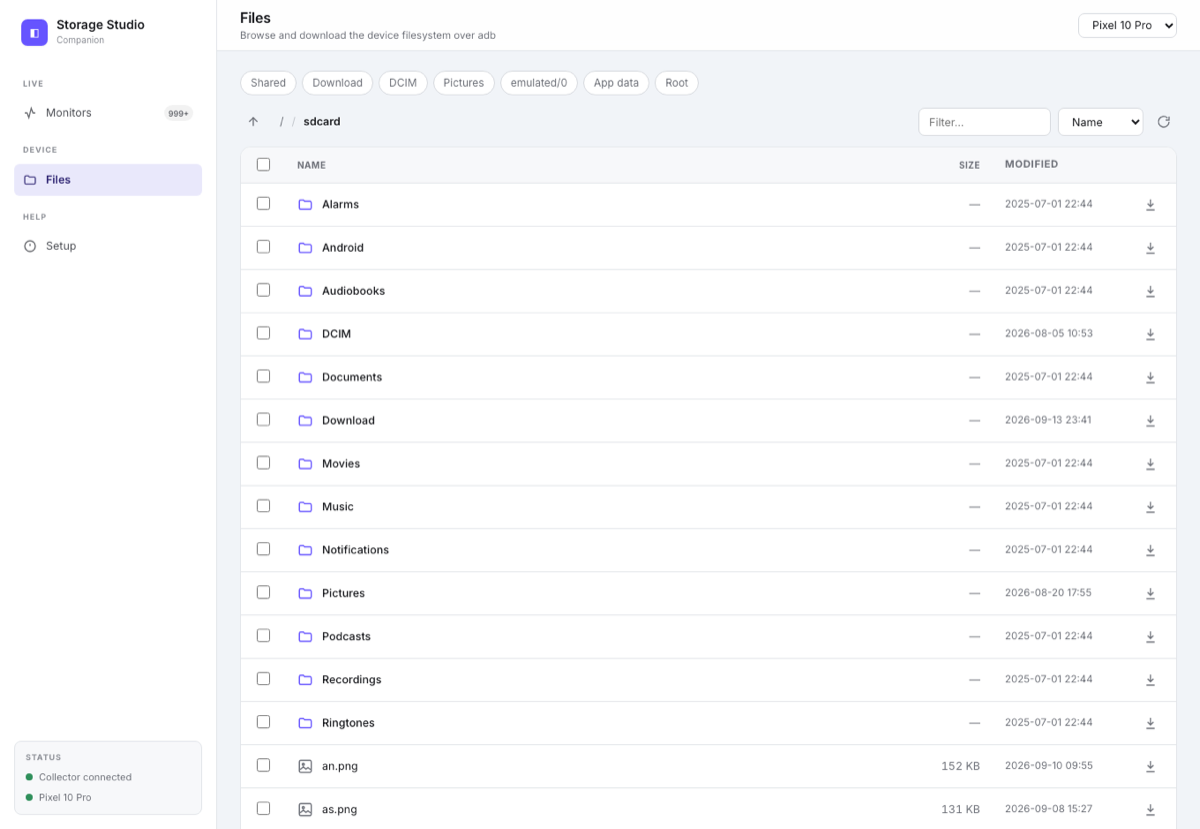
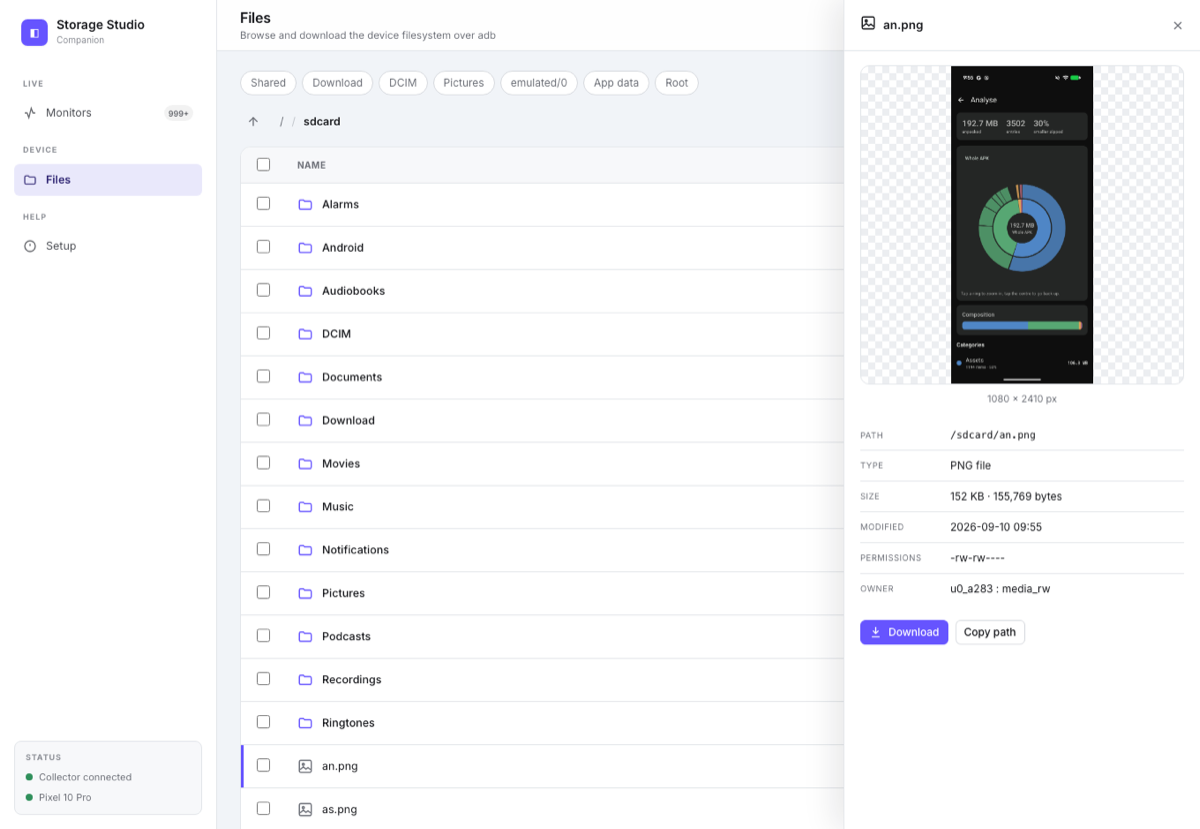
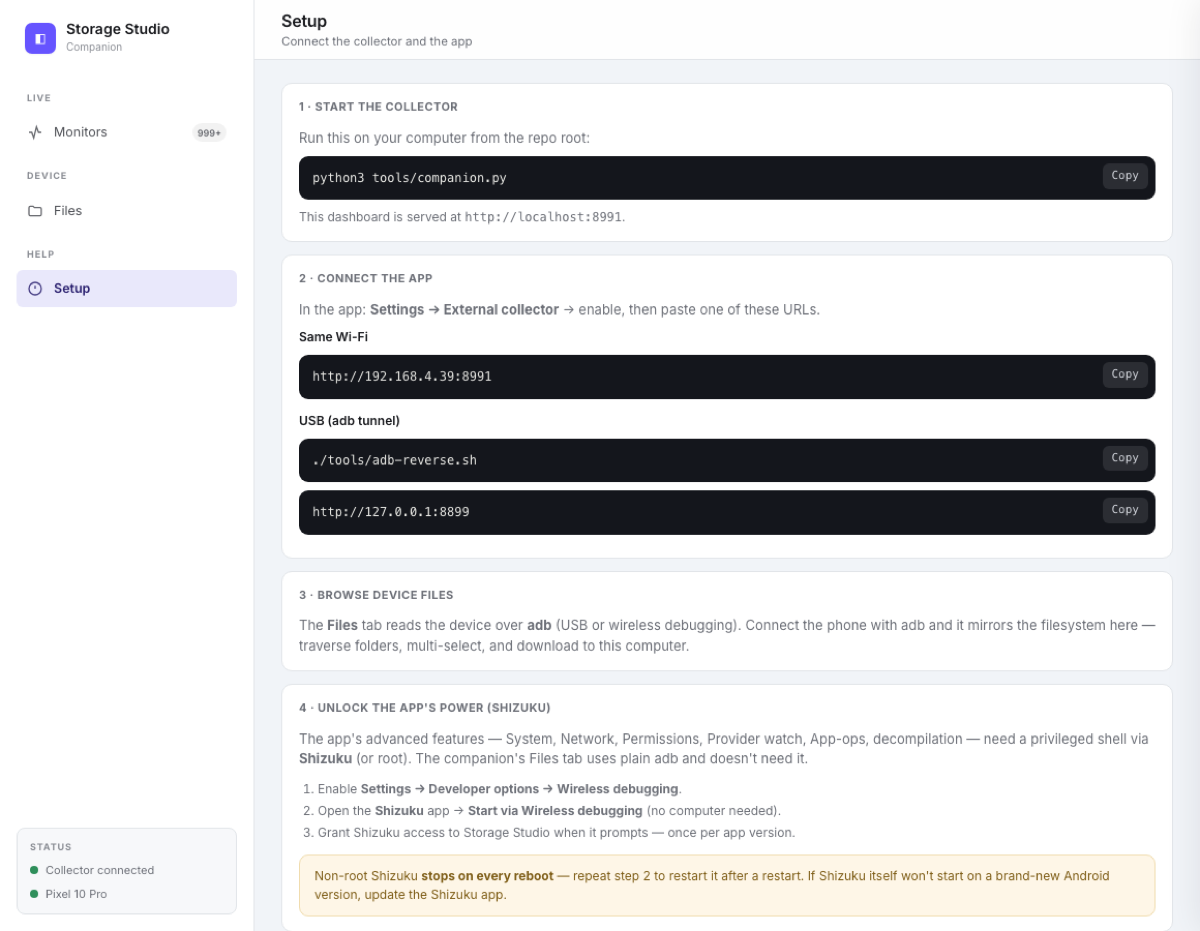
A tiny Python companion serves a browser dashboard: a live collector that charts the monitor events the phone streams to it, and a file explorer that mirrors the device over adb - traverse folders, multi-select, preview images, and download straight to your computer.
Honest about what it needs.
Nothing is faked. Each capability declares its tier, and the app works at every level - from no permissions at all, up to root when a device has it. Shizuku unlocks most of the powerful features without root.
| Capability | Needs |
|---|---|
| Browse your own dirs, inspect any APK, list apps & components | none |
| All of shared storage, per-app storage sizes | permission |
Other apps' Android/data, logcat, pm/am/appops, dumpsys history | Shizuku |
Any app's private /data/data, non-exported providers, partitions & swap | root |
From a 2017 library to an app for the AI age.
android-storage began as a small Java wrapper over java.io.File - a lot of apps, a lot of stars. Then jcenter died and it was archived. It returns now as something new: an app that spans everything from browsing files to heavy, privileged, low-level work, and doubles as a companion for building your own apps.
The library still ships underneath, rewritten in Kotlin. But the point now is the app - and it's built to be driven by an agent.
- Kotlin · Jetpack Compose · Navigation 3 · Koin · Coil
- 7 core modules - fs, apps, data, intents, capture, net, shell
- Hand-written Kotlin Shizuku binder - no AIDL, no generated Java
- The original
com.snatik:storagelibrary, still underneath